Turning daily speech therapy into a game a four-year-old asks to play


scroll to read
scroll to read
A pediatric speech-therapy system from Poland where the child practises by playing, the therapist keeps the case, and the parent finally sees progress.
Speech therapy works in the clinic and dies at home. Between sessions the practice falls to a parent with no tools, the evening turns into a fight, and the therapist flies blind for a week at a time.
I designed a system where the exercises hide inside games, with the child's voice as the controller, while a strict clinical core underneath keeps the data honest for the therapist.
1,200+ children practising at home in Poland, therapists who could finally see the week between sessions, and a company that won the NN Social Innovation Award and a funding round from Simpact & SMOK.
In Poland, a child with a speech disorder gets one therapy session a week. The other six days belong to the parents.
Speech therapy is repetition. The therapist diagnoses and corrects. The drilling that rewires pronunciation happens at home, every day, for months. That home half arrives as a paper worksheet, and a three-year-old has no intention of doing worksheets.
Most speech apps attack this with flashcards, and a kid opens flashcards exactly once. Real leverage meant getting the daily practice to actually happen.
One hour with a professional, then six evenings of paper worksheets nobody fills in. The empty week is where progress died.
To make the week between sessions actually count, by building the app around the people who could refuse it.
Win the therapist: be the tool that does their boring half, not the one that replaces them.
Earn the parent: a plain-language diagnosis, a ready plan, and transparency about their child data.
Keep the child: hide the therapy completely. The moment it smells like an exercise, it's over.
Stay clinical: whatever the games pretend, the scoring underneath must be strict enough to trust.



I sat in on real therapy sessions and interviewed therapists, parents and kids to map where the practice actually died.
Key insight 1, the replacement fear: therapists' first reaction was "someone wants to replace me with a phone." The therapist's recommendation is the only marketing that matters here. A product that ignored the fear would never be recommended.
Key insight 2, the homework fight: parents reported the exercises worked, but the evenings were a battle, and most families quietly stopped after a few weeks.
Key insight 3, the silent quit: kids never complain. They put the thing down and never pick it up again, so retention is the only honest signal a children's product gets.
We weren't replacing the therapist. We were becoming the reason the home practice got done.
Framed that way, everything inverted. The therapist stopped being the competition and became the channel: they diagnose, assign from a library they trust, and for the first time see the week between sessions.
The parent stops being the drill sergeant and becomes the person who hands over the phone. The child never finds out any of this is happening.
Without the therapist's blessing parents don't trust it, and you're guessing at the clinical content.
Slow, and it still smells like the tool that's there to cut headcount.
The therapist recommends, the child uses it, the parent pays, and none of them feel sold to.
Why it worked: parents already trust their therapist, so the recommendation that actually matters is the therapist's. If the app makes them look good instead of replaceable, they hand it to families themselves.
"Pogaduszki" means little chats, and it hides the word "duszki": little ghosts. So the ghosts became the world.
The name carries the whole product in one pun: chatting is the therapy, and the ghosts are the ones the child chats with.
A ghost can be anything. It flies, it hides, it wants to hear words, which is exactly what six different game frameworks needed from one mascot.

pogaduszki
little chats · little ghosts
the therapy and the world, one word

making the therapist the hero, not the casualty
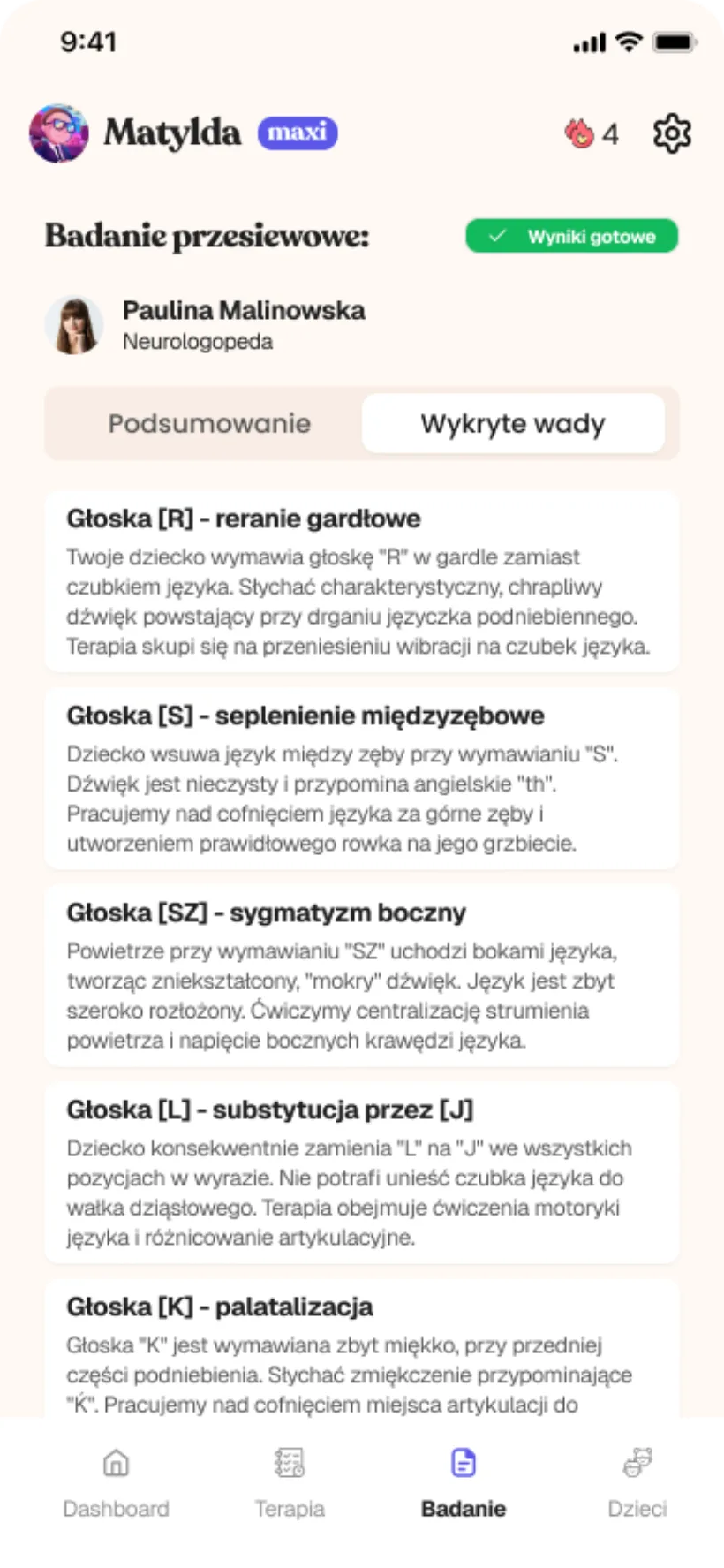
A web platform that reads like clinical notes, not a sales pitch: diagnosis, screening queue, a library of exercises they already trust, calendar and billing. The therapist assigns the week's practice, the app reports back what actually happened at home. Their job gets more visible, not smaller.


earning the right to a three-year-old's voice
The parent flow answers the three questions that decide everything: what the diagnosis means in plain language, what the plan is, and what the microphone is actually listening to.
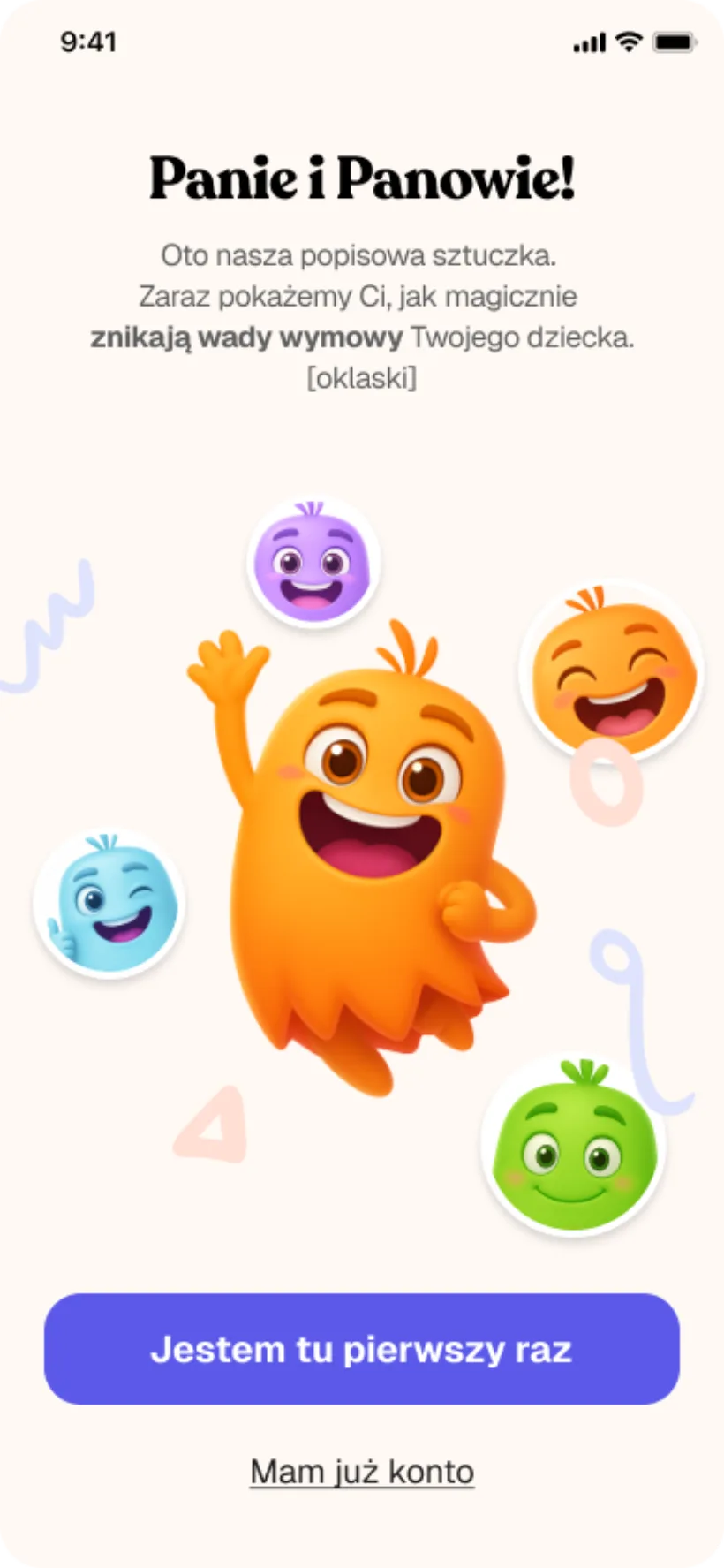
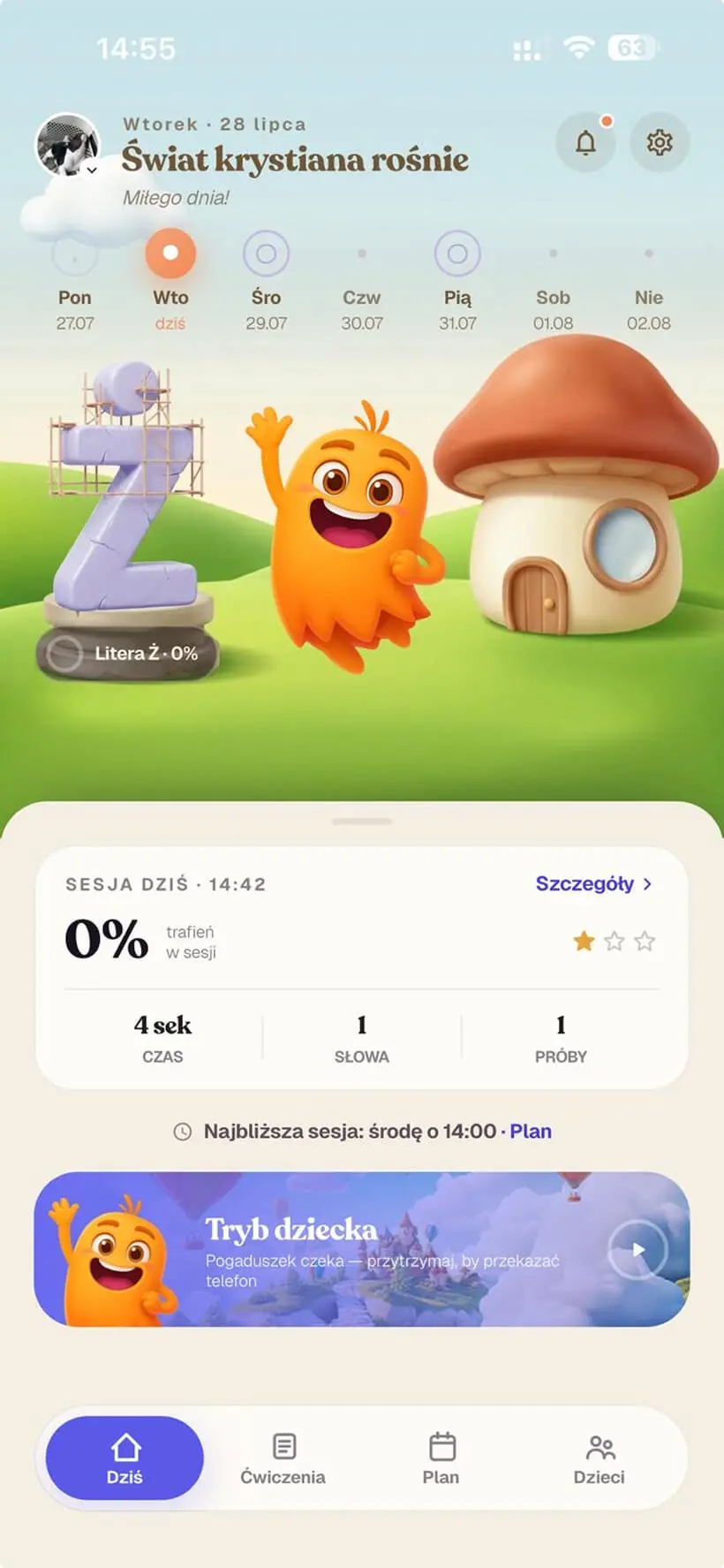
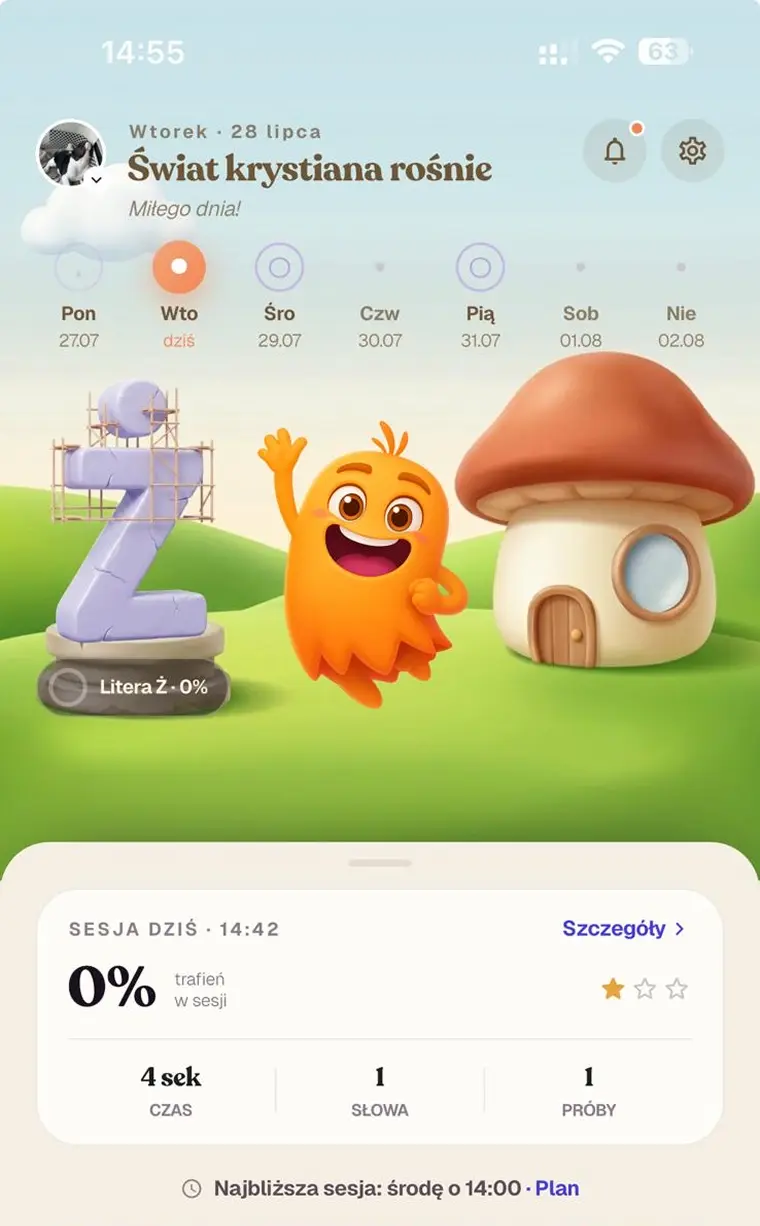
six frameworks, one journey, zero visible therapy
Six game frameworks, stitched into a single journey through the ghost world to keep therapy hidden and fun. Whatever the child says out loud to play is the exercise, and the voice is the only controller. They think they're steering the ghost but really they're repeating the same sound forty times, and every take is scored in the cloud after the session rather than on the screen in front of them.
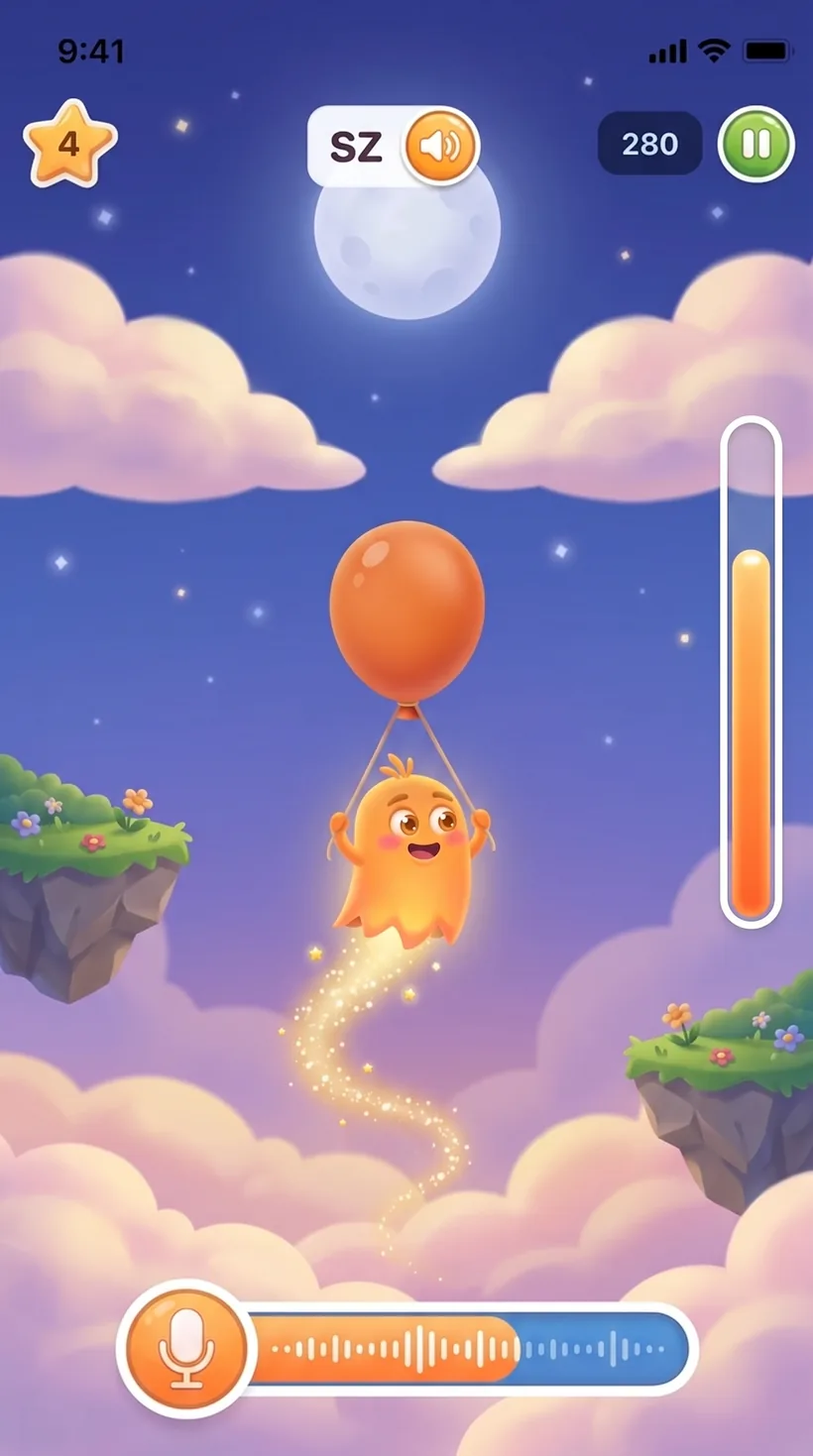
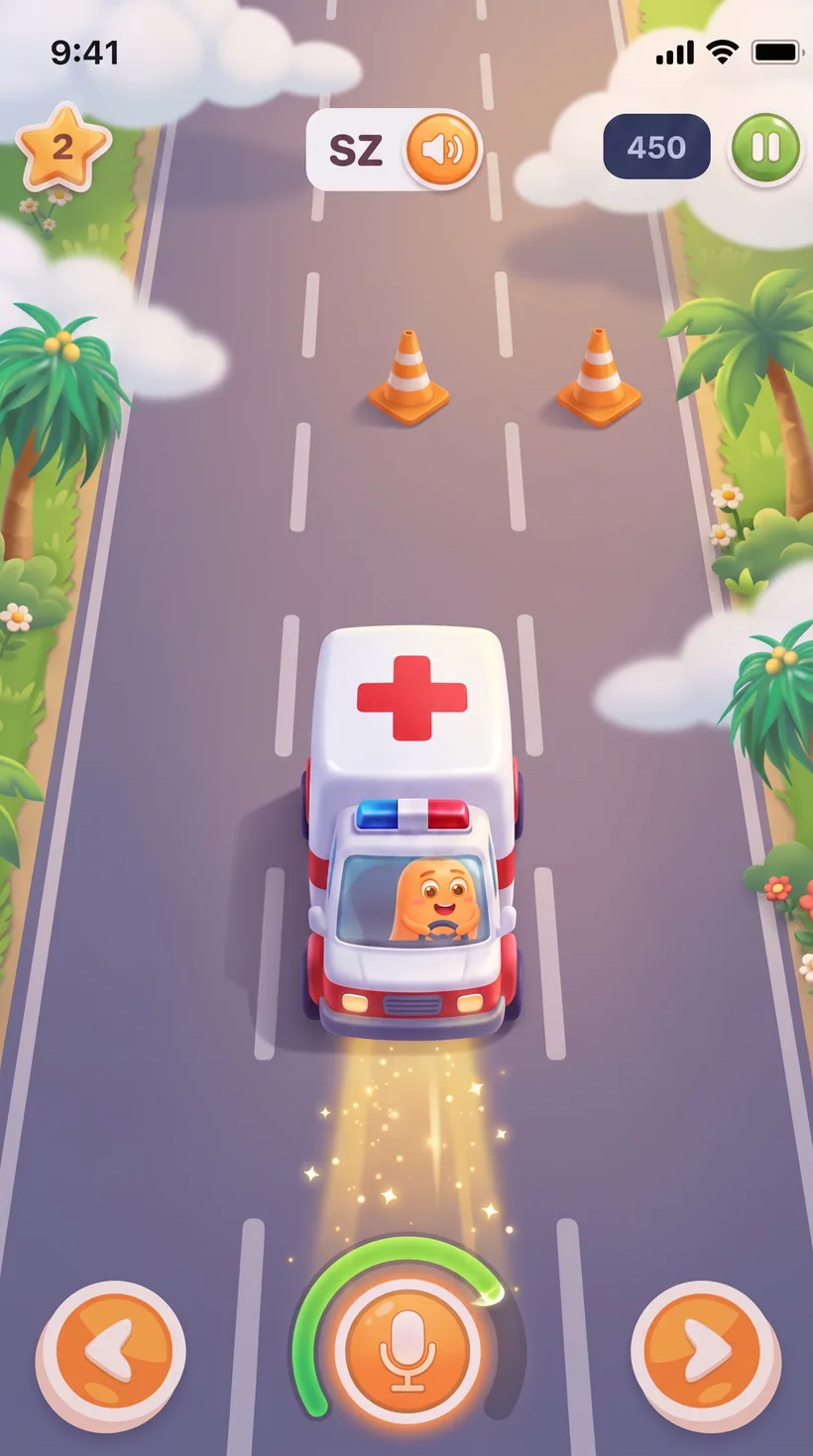
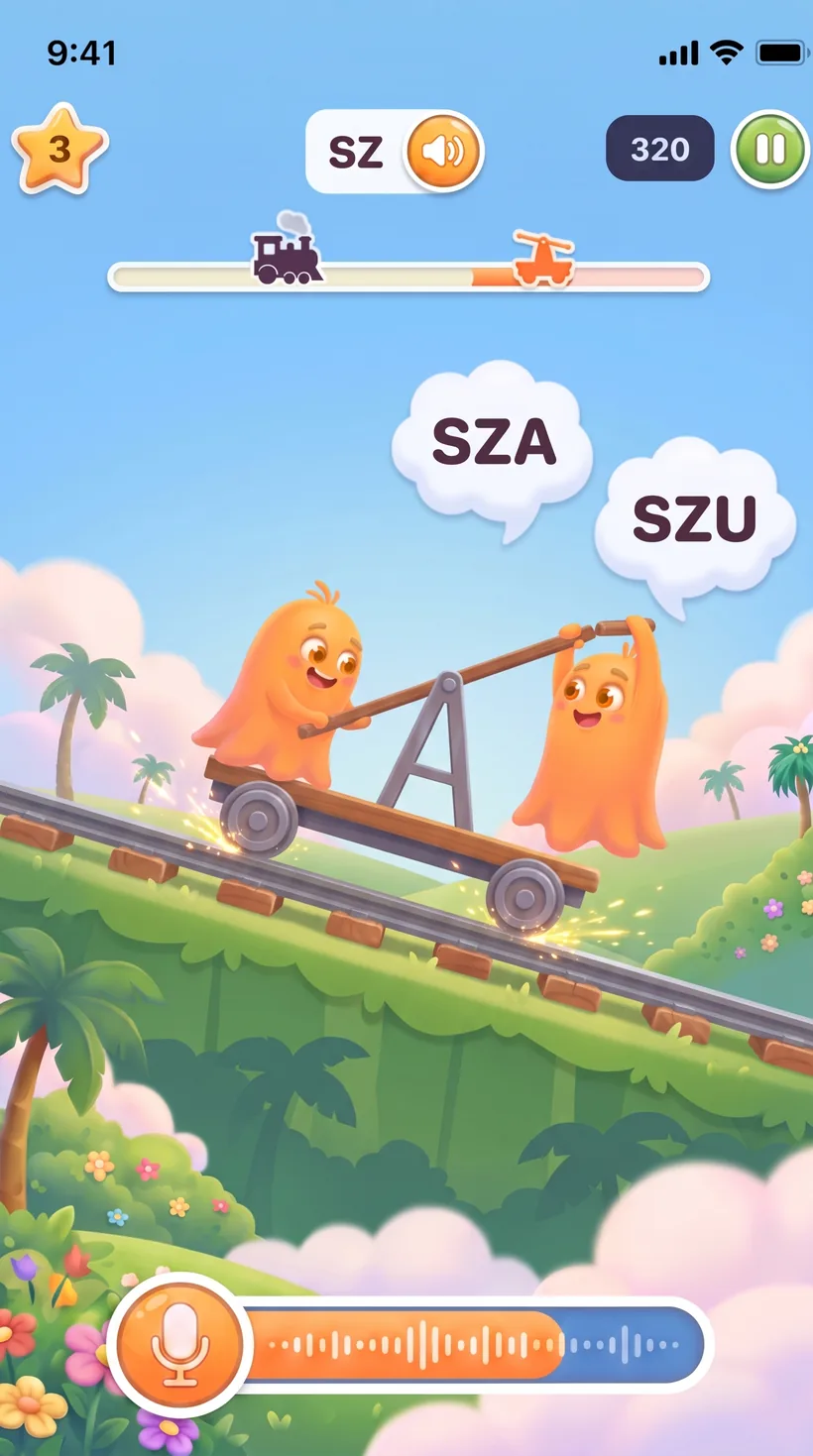
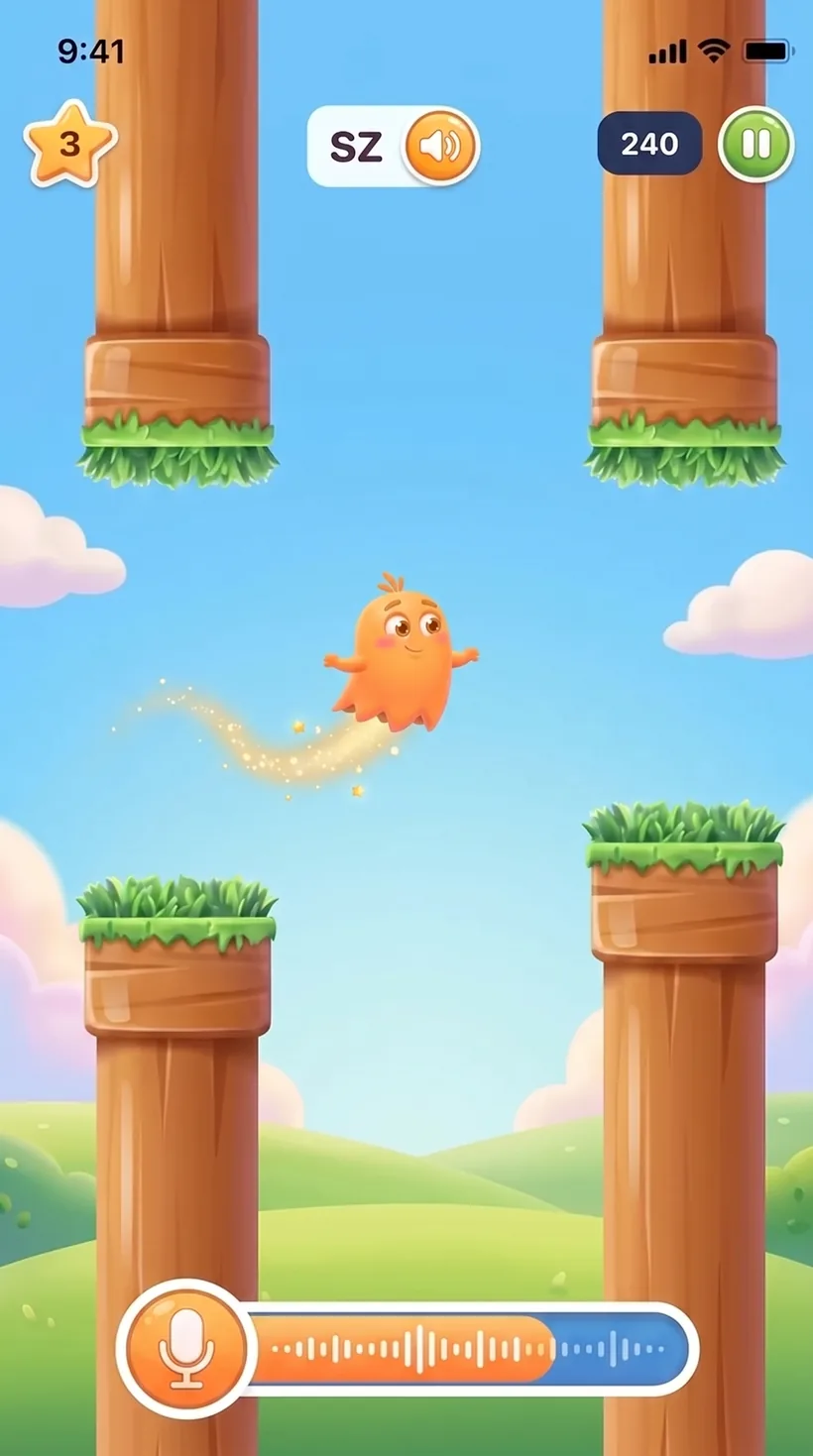
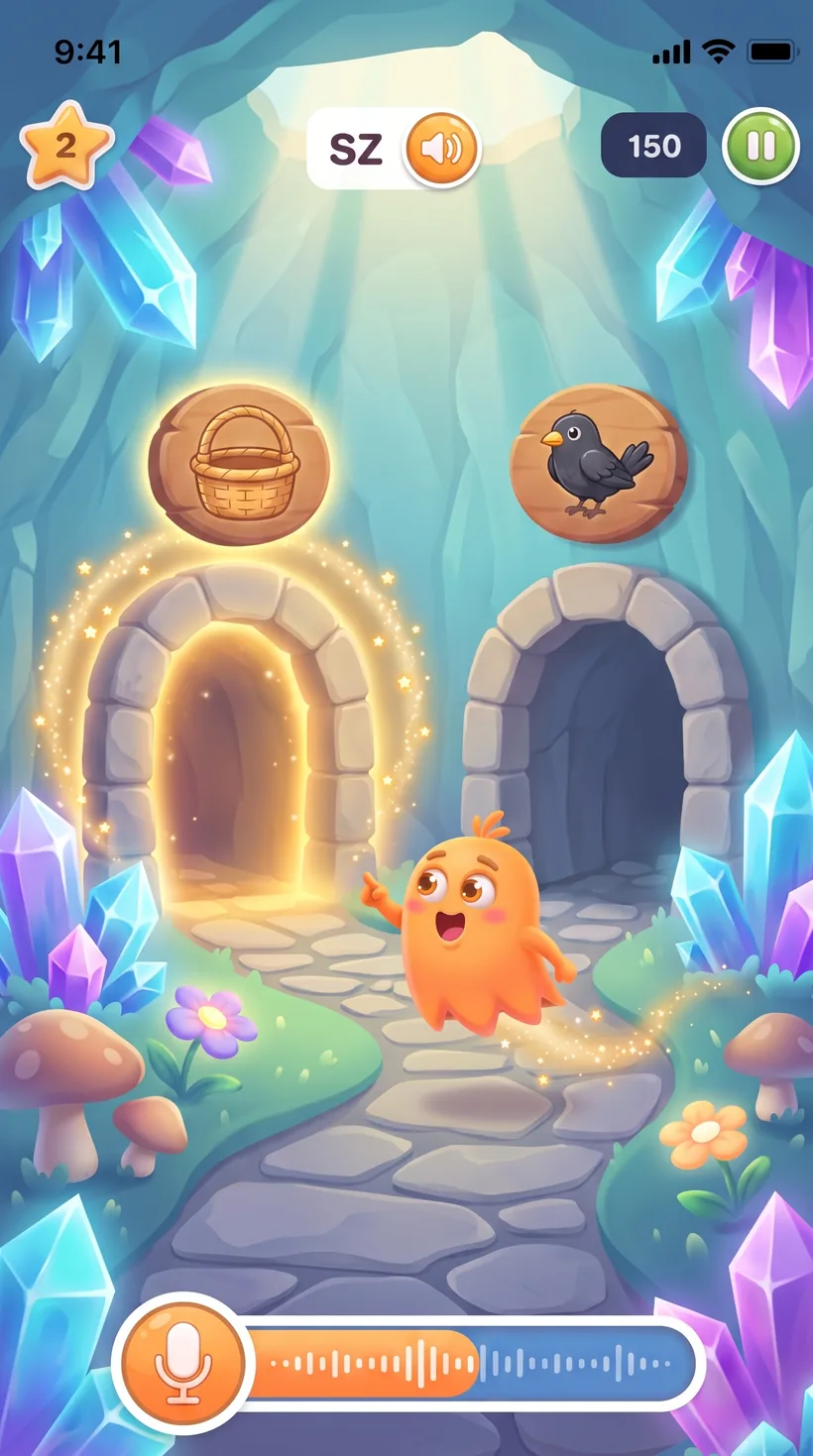
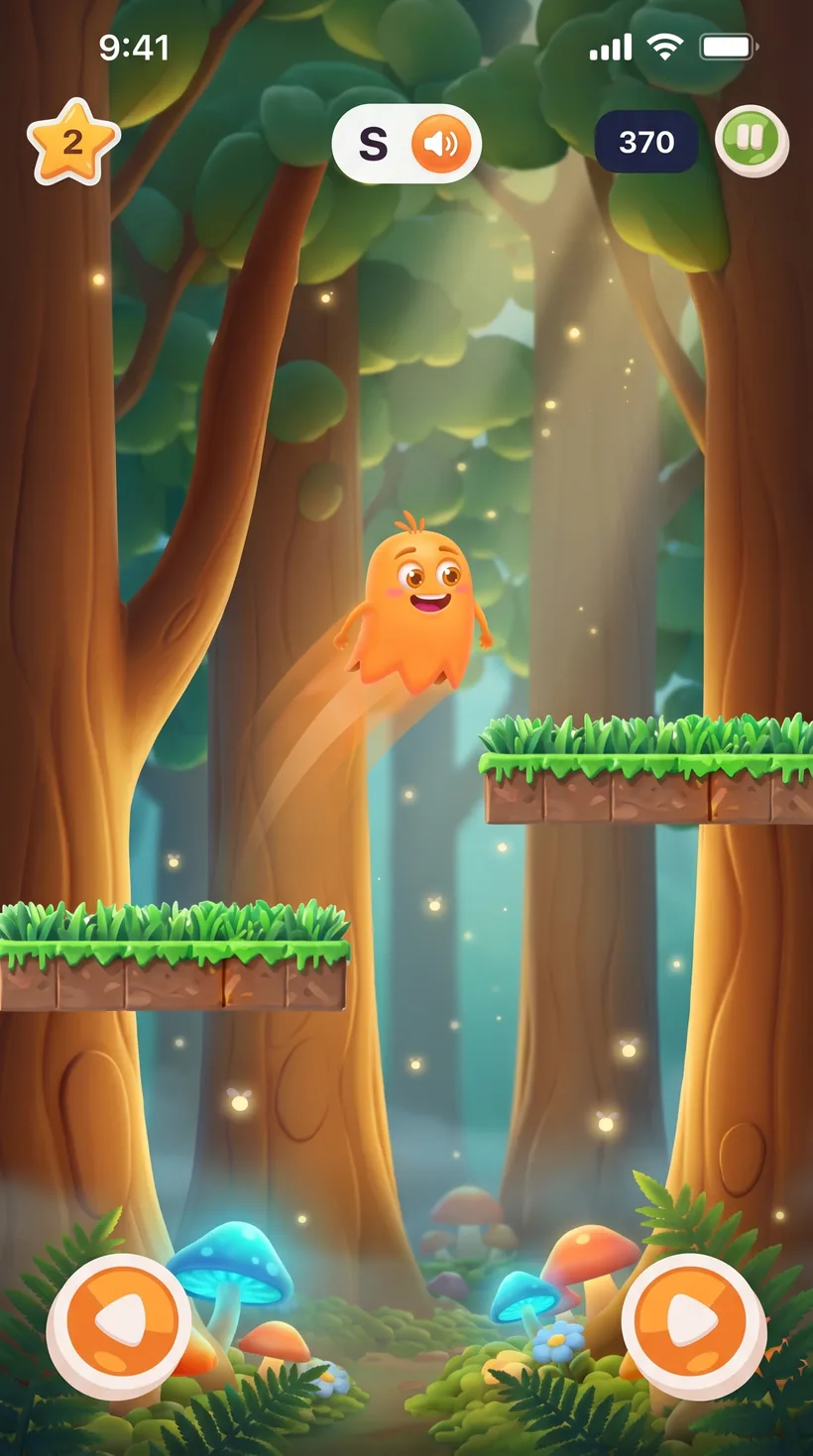
Freezing a flap-to-fly game to re-run one syllable kills the only thing keeping a four-year-old in it.
Then it isn't therapy, and the therapist was right not to trust us.
The take is still scored, just not in front of the child. The tip arrives between games.
Why it worked: nothing interrupts the play. The audio goes to the cloud, the scoring stays strict, and the therapist gets honest data on every word. What the child meets is a ghost showing them how to shape that one sound before the next round starts, never a buzzer in the middle of one.
1,200+ homes in, the finding that mattered: a child will practise for as long as it doesn't feel like practice.
In real homes the bet held. A four-year-old will talk to a ghost for as long as the ghost keeps moving, and that is long enough for the repetition to count. No child was ever told they were doing exercises, and the word lists underneath were the therapist's own.
The therapists were the surprise. What we heard at the start was the fear of being replaced. Once they could see what actually happened at home between sessions, most of that dissolved, and the platform became the thing that made their work visible instead of the thing competing with it.
"I can see what happens between our sessions now. That used to be a black box."
01
Put the veto in the roomSpeech therapists sat on the team, not on a feedback list. Every argument about what counts as a correct sound had someone present who could settle it, which is the only reason the games could be built on top of the scoring.
02
Strict core, soft shellEvery time we softened the game so a kid wouldn't feel bad, we risked the therapist not trusting the data. The answer was never a compromise. It was strict scoring the child simply never sees.
03
Designing for pre-readers is accessibility workNo text a child must read, motor targets a three-year-old can hit, and a model that accepts speech in every shape a child can produce. Constraints first, charm second.
Every session already ends in scored audio. Next it should decide what the child plays tomorrow.
It should write the next week's plan by itself, for the therapist to approve or edit in a tap, and aim the between-round tip at the sound furthest behind.
Then upward and outward: a caseload view, because a therapist still sees one child at a time, and screening that runs at home, for the children who are not on anyone's list yet.
Somewhere in Poland, a thousand children are talking to ghosts. The ghosts are winning, one word at a time.