Turning a marketplace nobody was loyal to into a game people came back for


scroll to read · skip to the designs
scroll to read · skip to the designs
A loyalty layer for a games-key marketplace, built as a game instead of a points table. Earn Krowns by shopping, stake them on Penguin expeditions, and maybe the Penguin comes home with the key you wanted anyway.
A game key is a game key, so buyers check three sites and buy the cheapest. Points-for-discounts is just a slower discount. It trains the exact behaviour it's supposed to cure, and bleeds a margin that was already thin.
Krowns don't buy coupons, they buy expeditions. Shopping earns the stake, the stake sets the odds, and the prize is a real game key. Suddenly there's a reason to open the store with nothing in the cart.
Piloted in four markets: enrolled buyers came back more often and spent more per order, and the north-star behaviour showed up. Players started opening the store with nothing in the cart, just to check on a Penguin.
Kinguin sells the same keys as everyone else, so the only loyalty program buyers had was three tabs and a sort-by-price.
A game key is a pure commodity: identical bits, dozens of sellers, ten seconds to compare them all. Discounts win the sale and burn the margin; points programs are a slower discount with homework attached. The store won orders, never customers:
The real loyalty program: three tabs, sort by price, buy, forget. Being chosen was worth about one euro, and only until tomorrow.
I interviewed repeat buyers with dozens of orders each, and not one was loyal. The goals fell straight out of the interviews.
Loyalty was worth one euro: a 40-order history meant forty individually-won price checks, so build a reason to return that isn't price.
Discounts train disloyalty: every percent off rewards shopping around, so route the existing reward budget through play, not coupons.
Gamers want a game: "give me something to do, not 2% off", so loyalty became loops, stakes and rituals, living inside the storefront itself.
North star: visits with nothing in the cart, people opening the store just to check on their Penguin.
The north star, drawn: visits that start with nothing in the cart, and a habit that fills it anyway.
"Honestly, nothing. I check two or three sites and buy the cheapest key. If you were a euro more expensive tomorrow, I'd buy somewhere else."
Stop paying people to shop. Pay them in play.
Krowns became a currency you earn by shopping and can only spend on expeditions: pick the key you want, stake your Krowns, send a Penguin after it. The reward is real keys, the one thing this audience actually wants, and the pull is the not-knowing, whether the Penguin comes home with one.
A purchase stops being the end of a transaction and becomes the start of a small story, and the store becomes a place you check back on, the way you check on a game.
Trains discount-hunting, bleeds the margin that was already thin, and gamers shrug at it.
Every game they own already does this better. No pull back to the store.
Shopping earns the stake, the stake sets the odds, the prize is the key you were saving for anyway.
Underneath, this is a points ledger and a dice roll. Nobody comes back to a ledger, so we wrapped it in a world.
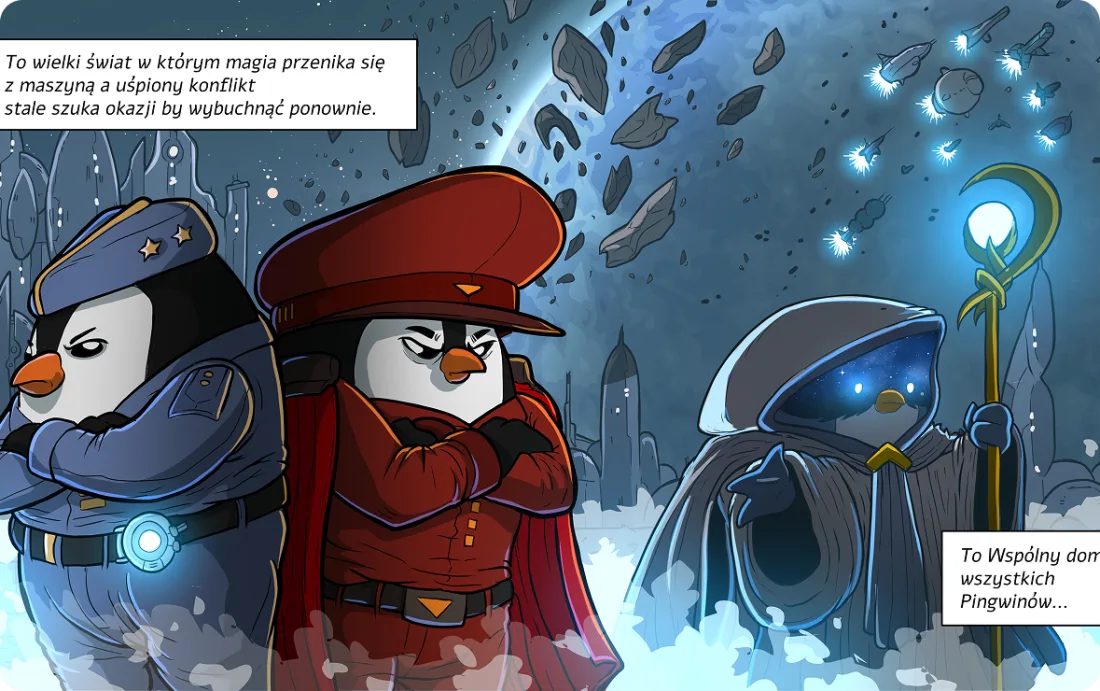
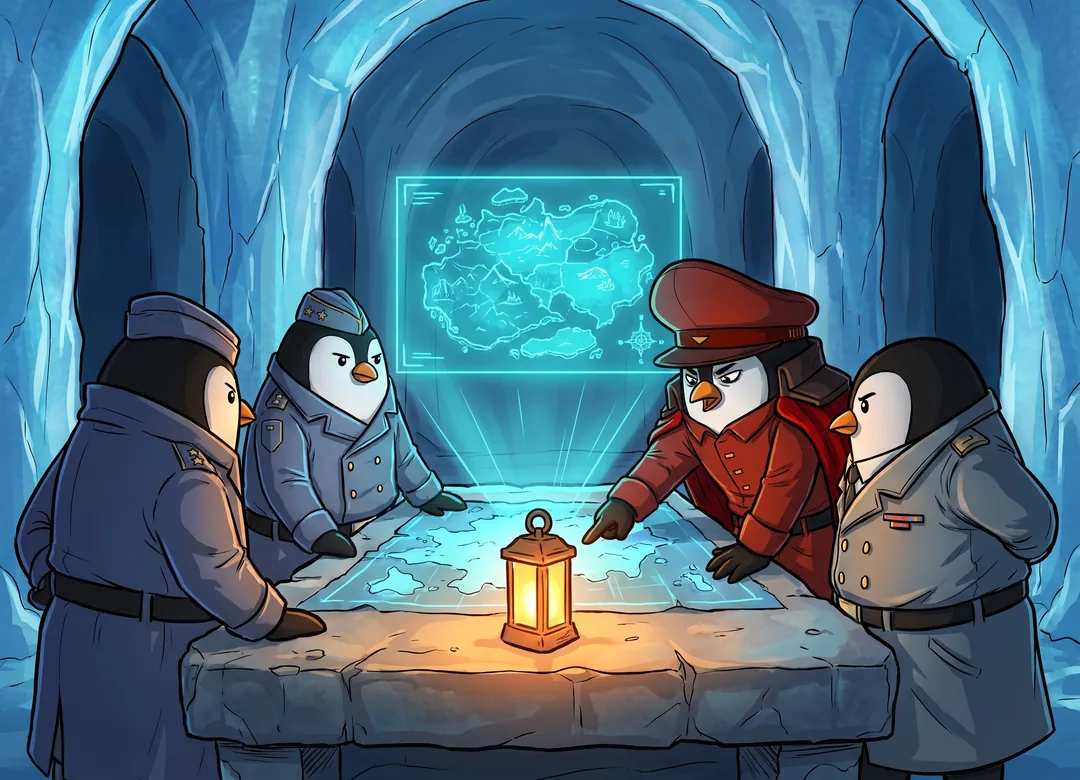
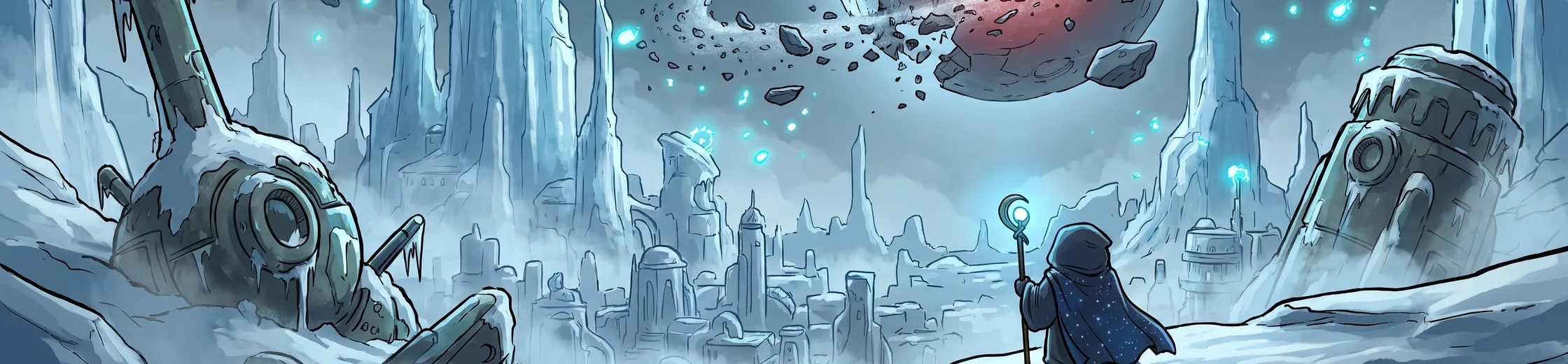
Kingu and the Penguins: a comic universe the in-house artists drew, a frozen kingdom where magic leaks into machinery and a sleeping conflict keeps looking for a way to wake up. Every expedition card is a panel from it; scroll the hub far enough and the interface dissolves into a painted arctic skyline.
The lore does the job a discount can't. It gives the loop a place, and the player a reason to care whether the Penguin makes it home.

loyalty dies in a tab nobody opens
Expeditions doesn't live on a rewards page; it drops down inside the storefront, next to the keys and the cart. Your Krowns, your daily limit, your Penguins mid-quest, all visible at the exact moment you're deciding between this store and a cheaper tab. The hook sits where the leaving happens.

three quests a day, readable at a glance
The whole game on one page. Three expeditions a day, a hard cap so it stays a treat instead of a compulsion, and every card readable in one glance: the story art, the reward key, the stake, the odds, the timer. No manual, no tutorial, no fine print doing heavy lifting.


a full game economy, readable on one card
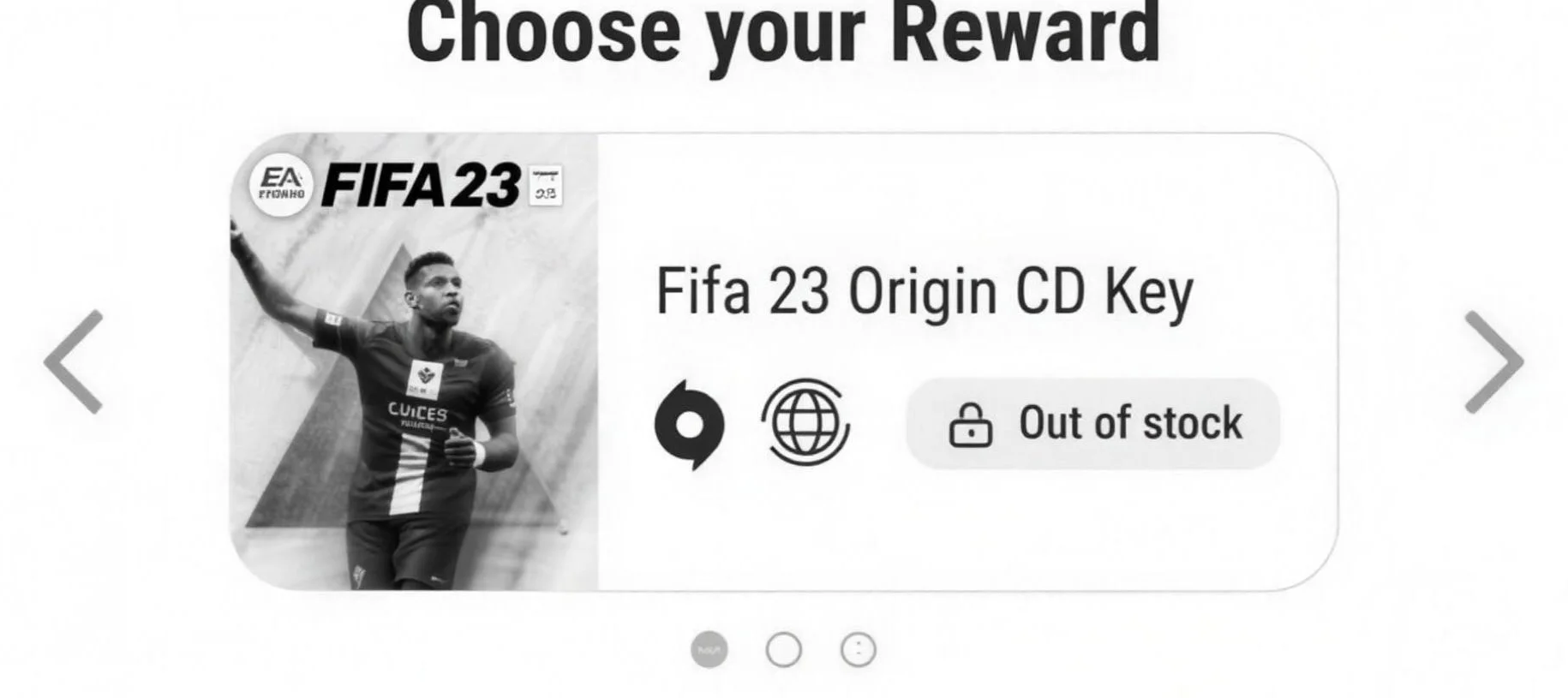
Pick the key you want, choose your stake of 250, 500 or 1500 Krowns, and watch the success chance climb with it. Send the Penguin, come back in three hours. One card holds the entire economy: the earn, the stake, the odds, the payoff. A system a first-time visitor reads in seconds.
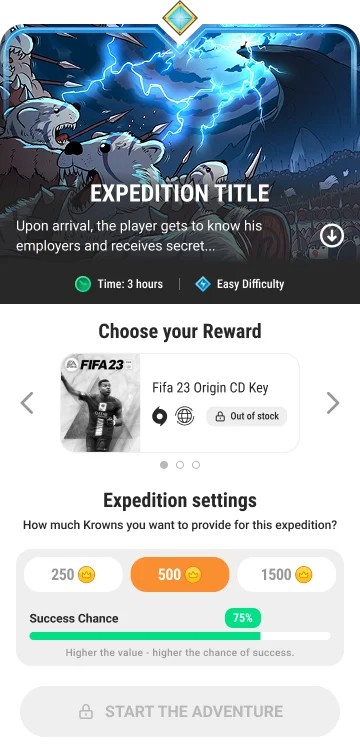
Krowns staked → success chance
That's a slot machine, and it makes the store feel like it just robbed you.
No stake, no tension, and the Krowns stop meaning anything.
Some Krowns back on a loss, a daily cap, a bigger stake buying better odds instead of a bigger loss.
Why it worked: some Krowns back on a loss keeps a failed quest from feeling like a robbery; the daily cap keeps it a ritual instead of a spiral. A bigger stake buys better odds, never a bigger loss. The tension stays, and the player's trust in the store stays with it.
Four markets in, the honest read: the habit was real, people came back for the Penguins.
Enrolled players came back more often and spent more per order. About one buyer in nine opted in, skewing toward the keenest customers, so I read the lift as a signal the loop pulled, not proof it caused every number.
The number that mattered most never made a dashboard at all: the north-star behaviour showed up. People opened the store with nothing in the cart, just to check on a Penguin. A marketplace that had only ever been a price became a place players visit.
The quest timer is the retention loop: three hours out, one reason to come back tonight.
"I logged in to grab one key and ended up sending three Penguins out first. I don't even know when that became the reason I open the site."
01
Pay people in play, not percentGamers shrugged at 2% off and showed up nightly for a Penguin with a timer. The reward budget didn't grow. It was routed through a loop people actually enjoy spending.
02
Restraint is a retention mechanicThe daily cap, the partial return, odds in plain sight: every limit made the loop more trustworthy, and trust is what let a chance mechanic feel like a game instead of a slot machine.
03
Lore is retention infrastructureStrip the comic and Expeditions is a ledger and a dice roll. The world is what made checking on a Penguin feel like visiting somewhere. Fiction did the work discounts couldn't.
Deepen the ritual: from a daily treat to a living season.
The pilot proved the appetite; the next build feeds it. Expedition chains where each quest unlocks the next chapter of the comic. Seasons that redraw the map and its rewards. Expeditions that know your wishlist, so the Penguin quests for the key you're already saving for. And the loop on mobile, because the check-in habit lives in a pocket, not a tab.
Somewhere out on the ice, a Penguin is sailing home with someone's next game. The store that was only ever a price became a place worth checking on.
gg.